

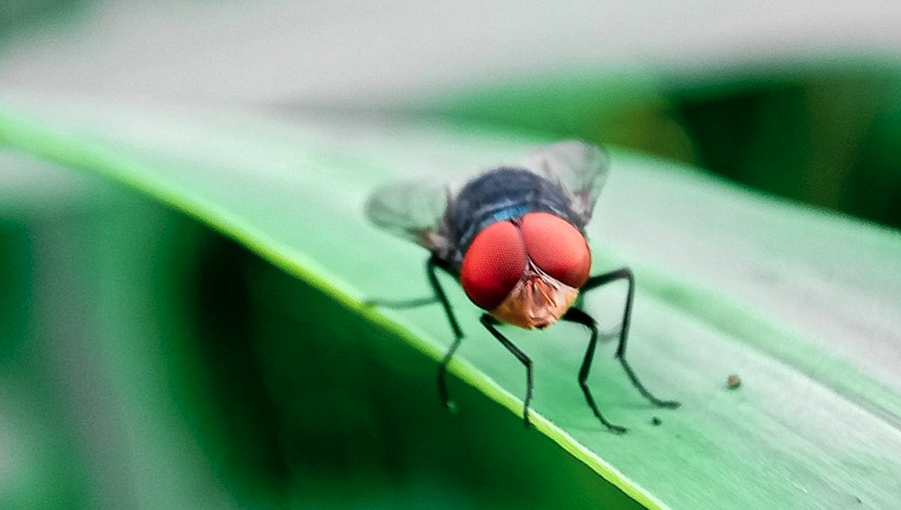
Federal officials have confirmed new detections of the New World screwworm. The Animal and Plant Health Inspection Service reported the find after recent tests. This pest is a major threat to livestock, pets, and wildlife across the country.
What is going on with the New World screwworm?
The Animal and Plant Health Inspection Service confirmed that the pest has been found again. The New World screwworm is a fly whose larvae feed on the living flesh of warm-blooded animals. When female flies lay eggs in open cuts, the maggots hatch and burrow into the wound. This makes the pest very dangerous for farm animals and pets.
Agriculture teams track this insect closely because an outbreak can spread quickly. You can read more about past events and tracking on the 2026 United States New World Screwworm outbreak page. Finding the pest early gives leaders the best chance to stop it before it grows into a wider emergency.
Why confirmed screwworm detections matter to people
An outbreak of this parasite can lead to painful injuries and even death for animals. Ranchers and pet owners must watch their animals for unusual open sores or signs of distress. If the pest gets established in an area, treating large herds of cattle becomes difficult and expensive.
Here are key reasons why people are watching these reports closely right now:
- Livestock protection: Screwworms can quickly weaken cows, sheep, and horses.
- Pet safety: Dogs and cats with small scratches can also pick up the parasite.
- Food supply: Widespread animal illness can disrupt meat and dairy production.
- Fast treatment: Catching the bug early helps vets clean wounds and save animals.
How officials handle screwworm cases
Government inspectors use special programs to control the insect when cases show up. They release sterile male flies to prevent wild flies from producing new eggs. They also set up strict checks to stop the movement of infested animals between regions.
Field workers collect samples from sick animals to verify the bug under microscopes. Once workers know the exact fly species, they set up quarantine lines around the area. These steps have helped clear the bug from the country in the past, and experts rely on the same plan today.
What should animal owners do next?
Farmers, ranchers, and pet owners should check their animals every day for cuts, bites, or strange sores. Any animal that has draining wounds should be separated and seen by a veterinarian right away. Keeping small scratches clean and treated helps keep flies from laying eggs.
People should report any strange fly maggots found in wounds to local farm agents or animal health staff. Fast reports give teams the information they need to protect other farms nearby. Staying alert is the simplest way to keep animals safe until the pest is fully controlled.



0 Comments